Pay in installments of $6.74 with
 ,
,
 and
and

Shipping Estimate
USA
- USA
- CAN
- USA
- CAN
Ships within 48 hours · Estimated delivery Jul 3 - Jul 8
 Promo Codes Available:
For Your Every Summer RSVP, with Code: SUMMER15
Description
house plant with rubbery leaves 80Ficus cyathistipula, commonly known as the African Fig Tree, is a lush and resilient tropical plant native to the rainforests of Central and Western Africa. A member of the Moraceae family, this evergreen species is celebrated for its dense, glossy foliage, upright growth, and easy care nature, making it a perfect choice for homes, offices, and conservatories. The plant features rich, deep green leaves that are thick, leathery, and oval shaped with a
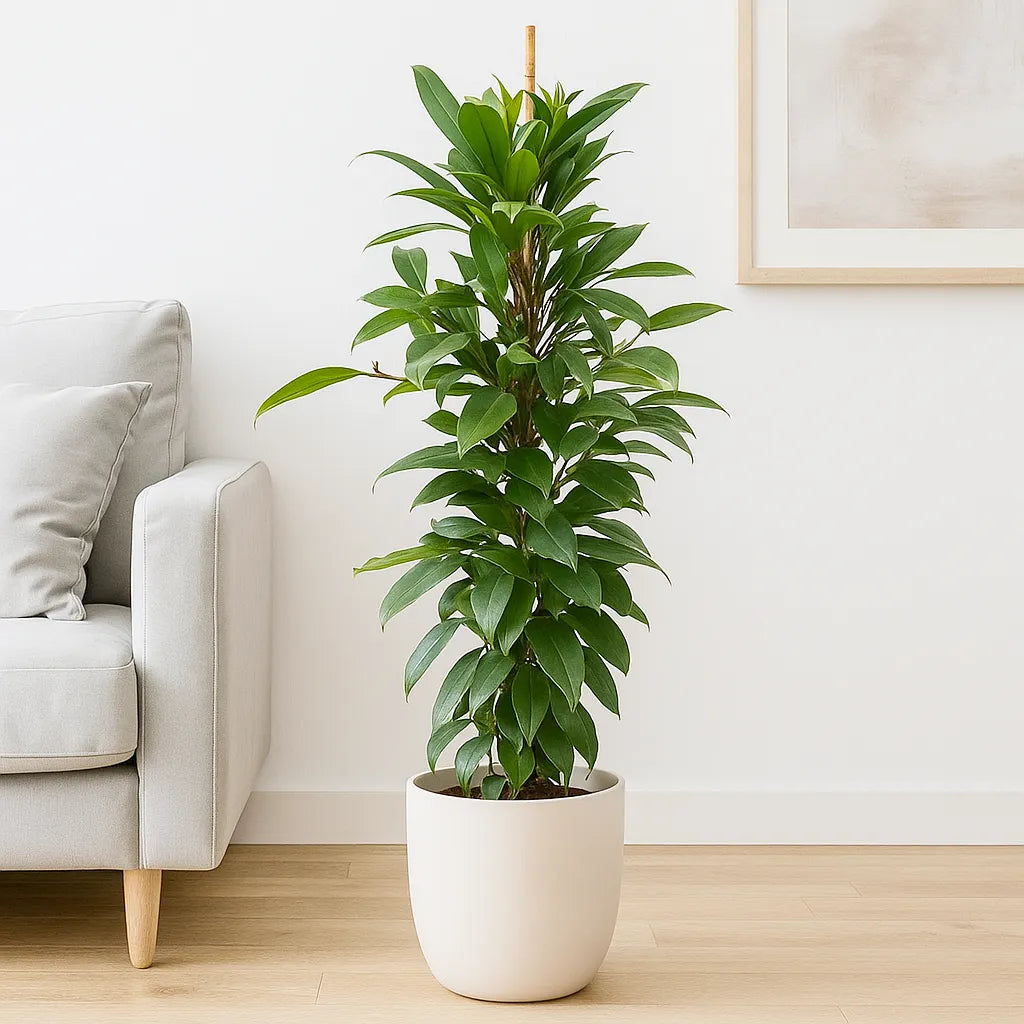
Ficus cyathistipula, commonly known as the African Fig Tree, is a lush and resilient tropical plant native to the rainforests of Central and Western Africa. A member of the Moraceae family, this evergreen species is celebrated for its dense, glossy foliage, upright growth, and easy-care nature, making it a perfect choice for homes, offices, and conservatories.
The plant features rich, deep green leaves that are thick, leathery, and oval-shaped with a prominent central vein and smooth texture. Its new growth emerges a lighter green before maturing into a darker shade, giving the canopy a vibrant, layered appearance. Ficus cyathistipula naturally develops a compact, tree-like form and can grow tall indoors, offering a touch of the African tropics to any interior space.
With its robust character and elegant appearance, it’s often compared to Ficus elastica or Ficus benjamina, but it distinguishes itself with a denser, more bushy growth habit and superior tolerance to lower light.
Ficus cyathistipula – Care Guide
Light
Thrives in bright, indirect light but also tolerates moderate light levels. Too little light may slow growth, while direct sunlight can scorch the leaves. Ideal for rooms with filtered daylight or near east- or north-facing windows.
Watering
Water when the top 3–5 cm of soil feels dry. Keep the soil evenly moist but never soggy. Overwatering is the most common cause of leaf drop in Ficus species. In winter, reduce watering slightly and allow the topsoil to dry out more between waterings.
Temperature and Humidity
-
Temperature: Prefers 18–26°C. Avoid cold draughts and temperatures below 12°C.
-
Humidity: Average indoor humidity is fine, though it will appreciate occasional misting to maintain glossy leaves.
Soil and Potting
Use a rich, well-draining, peat-free compost mixed with perlite or bark for aeration. Repot every 2–3 years in spring or when roots begin to outgrow the pot.
Feeding
Feed every 4–6 weeks in spring and summer with a balanced liquid fertiliser to support strong, healthy growth. Pause feeding during winter.
Pruning and Maintenance
Prune lightly to shape the plant and remove any leggy or crossing stems. Wipe leaves regularly with a damp cloth to remove dust and restore shine. Rotate occasionally to ensure even growth on all sides.
Growth and Maturity
A moderate to fast grower, capable of reaching 1.5–2 metres indoors. Its natural, tree-like structure can be maintained compact through pruning or allowed to grow tall as a statement feature.
Common Issues
-
Leaf drop: Sudden environmental changes or overwatering.
-
Yellowing leaves: Poor drainage or prolonged drought.
-
Brown leaf edges: Low humidity or exposure to draughts.
-
Pests: Occasionally scale insects, mealybugs, or spider mites.
Background and Benefits
Ficus cyathistipula is native to tropical African rainforests, where it grows along riverbanks and shaded understories. Its name translates roughly to “cup-stipule fig,” referencing the small cup-shaped structures that appear at the base of the leaves.
In cultivation, it has gained popularity for its resilience and attractive, polished foliage. It’s also an excellent air-purifying plant, helping to remove toxins and improve indoor air quality.
Elegant yet robust, Ficus cyathistipula combines the tropical aesthetic of larger fig species with a more compact, manageable growth habit — perfect for contemporary homes.
✅ Quick Care Summary
-
Light: Bright, indirect; tolerates moderate light
-
Water: Lightly moist; allow topsoil to dry slightly
-
Temperature: 18–26°C; avoid below 12°C
-
Humidity: Average indoor; mist occasionally
-
Soil: Rich, well-draining compost
-
Feed: Every 4–6 weeks in spring/summer
-
Growth: Upright indoor tree, 1.5–2 m; glossy, oval-shaped deep green leaves
⚠️ Toxicity Note: Like most Ficus species, Ficus cyathistipula produces a milky latex sap that can irritate the skin and is toxic if ingested. Keep away from pets and children.
🌿 Styling Tip:
Place Ficus cyathistipula in a statement pot to accentuate its glossy, tree-like form. It works beautifully as a focal plant in living rooms, entryways, or offices — adding structure, calm, and natural greenery. Pair with smaller, contrasting plants like Asparagus setaceus or Aglaonema ‘Ivory Jade’ for layered tropical appeal.
Shipping Notes
- Free Standard Shipping on $100+ Orders to the USA.
- Except Preorder products are shipped in 48 hours.
- Delivery to the USA:
- Standard Shipping : 3-10 business days
- If time is of the essence, please consider selecting expedited delivery for faster service.
Exchange/Return Notes
- We offer a 30-day return/exchange service after receiving.
- Final sale items are not eligible for returns or exchanges.
- To process your return/exchange, please contact us at [email protected]
- Please click here for more details>>> Return & Exchange Policy