Vanilla Prepaid Scams in Canada: Safety Guide
Prepaid credit cards provide convenient, flexible transactions, but their untraceable nature makes them highly appealing to scammers. Gift card fraud is rising in Canada, and Vanilla Prepaid products are frequently targeted. Google has updated its advertising and search policies to minimize phishing ads, but consumers must remain alert.
1. Card Draining (In-Store Package Tampering)
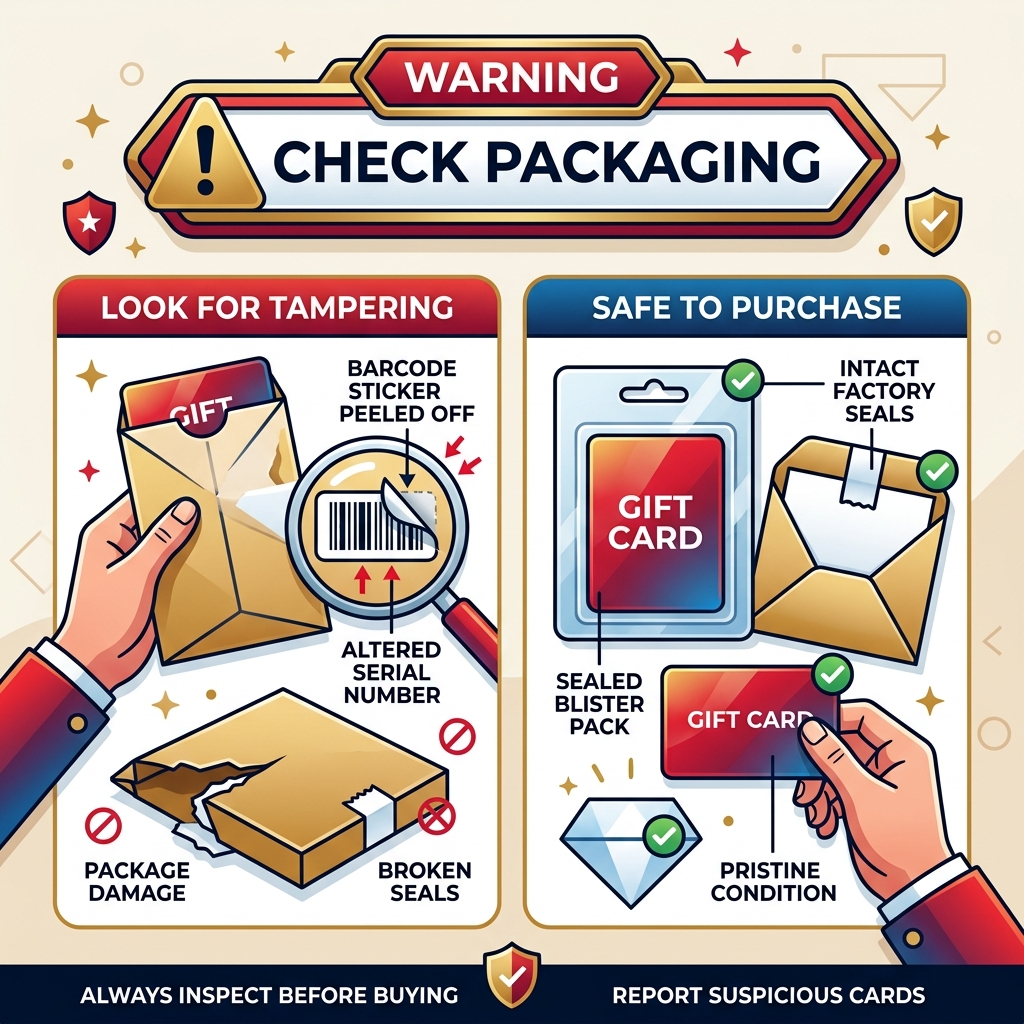
Card draining is a sophisticated form of theft where criminals tamper with the physical gift card before you buy it:
- The Method: Thieves remove cards from store racks, take them home, and use specialized tools (such as hair dryers) to carefully open the cardboard envelope. They record the card number, CVV, and expiry date. They then reseal the package using advanced adhesive or replace the silver scratch-off sticker with an identical aftermarket sticker.
- Barcode Swapping: In some cases, scammers print fake barcode stickers and paste them over the card's original barcode. When the store cashier scans the card, the checkout registers and activates the scammer's card, rather than yours.
- The Result: The moment you pay for the card at the register, it is activated. The scammer (who has automated scripts monitoring the card numbers) immediately drains the balance online. When you attempt to use the card, you find a $0 balance.
2. Government (CRA) & Service Bill Demands
This is a psychological scam utilizing urgency and fear to manipulate victims into sending money:
You receive an urgent phone call, text, or email from someone claiming to represent the Canada Revenue Agency (CRA), a police department, a utility provider (like Hydro-Québec or BC Hydro), or a shipping service. They claim you owe back taxes, unpaid bills, or fine money and threaten arrest or service disconnection unless you pay immediately using Vanilla Prepaid cards.
CRA Security Rule
No government agency, utility company, or law firm in Canada will ever ask you to pay a debt, fine, or tax bill with prepaid credit cards or retail gift cards. If someone demands this payment method, they are a scammer.
3. Search Engine Phishing Ads
When searching for "Vanilla balance check" on search engines, sponsored ad listings can sometimes be deceptive:
Scammers purchase advertisements that direct users to websites mimicking the official portal. Once you enter your card details on their form, the scammers steal the credentials and immediately transfer the funds. Always type vanilla-prepaid.ca manually into your browser's address bar to stay safe.
4. Refund & Recovery Scams
If you have already fallen victim to a gift card scam, be wary of follow-up fraud:
Individuals may contact you online claiming they are "ethical hackers" or fraud recovery agents who can retrieve your stolen gift card funds for a small fee. This is a scam. Gift card transactions are irreversible, and these entities only intend to steal more money from you.
🛡️ Card Purchase Security Checklist
Click on each item below to verify your card's safety before and after purchasing:
Inspect the cardboard seams
Ensure the outer packaging is completely sealed. There should be no glue stains, peeling cardboard, or signs of heat warping.
Run your finger over the barcode
Check if the barcode is printed directly on the cardboard packaging. If it feels raised, bumpy, or resembles a sticker, do not buy it.
Check the silver scratch-off panel
Open the pack only after paying. Check if the silver panel covering the CVV or security details on the card back is intact and has not been scratched off and replaced.
Review the register receipt
Verify that the receipt shows the correct card activation status and the last 4 digits of the card match your physical card.
How to Report Fraud
If you discover that your Vanilla Prepaid card has been tampered with or drained, take the following steps:
- Call the official Vanilla Prepaid customer service team at 1-844-864-6929 immediately to block the card.
- Report the theft to the store manager where the card was purchased.
- File a report with the Canadian Anti-Fraud Centre (CAFC) by calling 1-888-495-8501 or visiting their official website.